Search isn’t what it used to be, and, honestly, e-commerce businesses feel that shift every day. For years, the basics were simple: chase keywords, stack up backlinks, and polish those product pages. That strategy still has legs, but AI-powered search is rewriting the whole playbook. Buyers today don’t always click through endless search results; more and more, people ask detailed questions to AI assistants and expect an instant, personalized answer. AI can compare products, digest review summaries, and recommend the best pick for your exact needs in a snap.
This is a new kind of challenge for e-commerce brands. Getting on Google’s first page isn’t enough anymore. Now, you need your content and product details ready for AI—clear, trustworthy, and easy to pull into recommendations. Businesses that make this shift early are the ones who’ll show up, win more shoppers, and keep growing online. So, let’s dig into how AI is shaking up e-commerce SEO—and what stores can actually do about it next.
Why AI Search Is Changing E-commerce SEO
Old-school search engines worked by checking keywords and counting backlinks. AI search? It takes a smarter route. Instead of matching words, it tries to understand what someone actually needs.
Think about it. Instead of searching, “best gaming laptop,” someone now says, “What’s the best gaming laptop under $1,500 for streaming and video editing?” AI breaks down the full question and spits out a direct answer—no long list of blue links to sort through. That means e-commerce companies have to level up. The game isn’t just about keywords anymore. You need to answer the buyer’s real questions and guide them straight to what they’re looking for.
The Rise of AI-Powered Product Discovery
AI assistants, voice searches, tailored recommendations—they’re steering the buying journey more than ever. Shoppers don’t want to sift through pages of products; they just ask an AI what fits their needs, budget, and style, and it does the heavy lifting. If your product info isn’t complete, clear, and easy for AI to process, you’ll get left out.
The businesses that provide solid descriptions, up-to-date specs, plenty of customer reviews, and structured product data have the edge. Sometimes, it comes down to one simple thing: how well does AI really understand your products?
From Keywords to Customer Intent
One of the biggest changes? We’ve moved from stuffing in keywords to actually meeting customer intent. Before, SEO meant sprinkling in keywords wherever you could. These days, people (and AI) care if your content solves a real problem. Buyers want more than basic info:
- Is this right for me?
- What makes it better than the other options?
- What’s the catch?
- How does it actually perform?
If your content nails these answers, you’re ahead—both with customers and AI search. That’s why deep product pages, buying guides, FAQs, and direct comparisons matter so much right now.
Building Trust Is Huge
AI search is built to find and share trustworthy information. So, the brands that show credibility will grab more attention. Building trust isn’t complicated, but it requires consistency:
- Keep your info accurate and up to date.
- Share real customer reviews and experiences.
- Bring in expert voices when you can.
- Be transparent about shipping, returns, and everything else.
Trust has always mattered, but today, it’s climbing to the top of the SEO food chain.
Generative Engine Optimization (GEO) Is On the Rise
With AI creating more answers for searchers, a new approach is catching on: Generative Engine Optimization (GEO). You want AI to use your content, cite it, and recommend it. Here’s what helps your GEO game:
- Organize your content clearly, with helpful headings.
- Directly answer common questions.
- Use solid, factual information.
- Stick to what you know and go deep on specific topics.
Become the source that AI trusts, and you’ll get recommended more often.
What Content Works Right Now?
Brands that win in search create genuinely helpful stuff—not just filler for search engines. Here’s what works:
- Buying guides that really help customers choose.
- Side-by-side product comparisons.
- How-to articles for setup, troubleshooting, and creative uses.
- Stories and reviews from real customers.
If your content’s useful, honest, and to the point, you’ll stay visible—no matter how search tech evolves.
Don’t Ignore Technical SEO
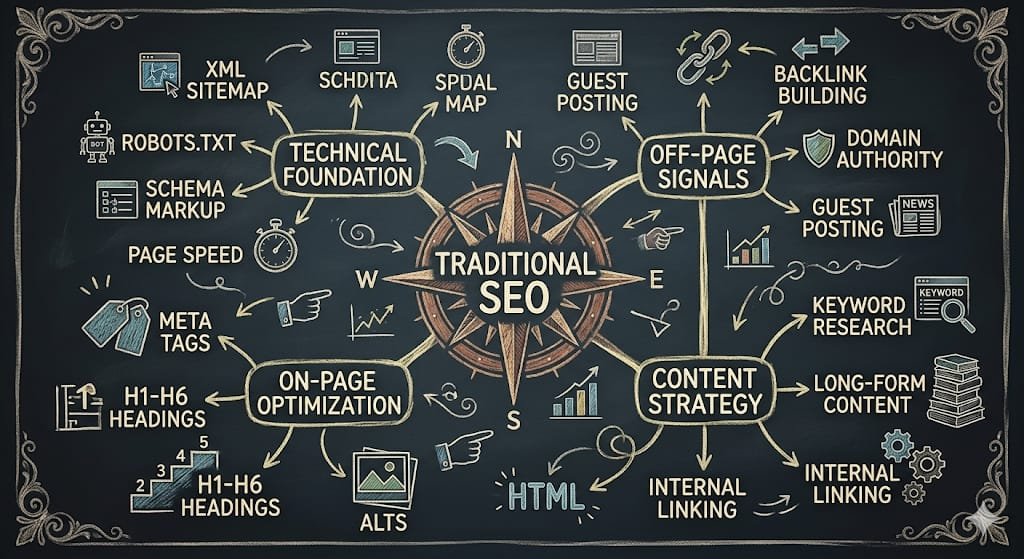
AI changes a lot, but technical SEO is still the backbone . Make sure your site is fast, mobile-friendly, and secure (hello, HTTPS). Use structured data, stick to strong internal links, and make navigation simple. Both human visitors and AI love a well-built site.
Discussion (0)
Leave a Reply
No confirmed discussions contributed yet. Be the first to start the thread!